Market Highlights
• Iran Conflict Shakes Markets: On February 28, the US and Israel launched coordinated strikes against Iran, closing the Strait of Hormuz and triggering the largest oil supply disruption in global history. Brent crude oil prices roughly doubled from ~$60 to ~$119/barrel.
• S&P 500 Posts Worst Quarter Since 2022: The S&P 500 declined 4.3% on a total return basis, after briefly touching an all-time high above 7,000 in January. The Nasdaq fell nearly 6% and entered correction territory.
• Stock Market Rotation: Against the backdrop of the conflict in Iran, growth stocks fell 12.8% while value stocks gained 2.4%. The Magnificent Seven collectively lost 10.5%, yet 62% of S&P 500 members outperformed the index. Energy stocks surged more than 30%.
• Fed Holds Steady: The Federal Reserve maintained the federal funds rate at 3.50–3.75% at both Q1 meetings, raised its 2026 inflation forecast, and rate-cut expectations collapsed from two cuts to near-zero.
• AI Spending Under Scrutiny: Hyperscaler capex plans reached $635–$665 billion for 2026, up ~70% from 2025. Investor sentiment shifted from euphoria to accountability, with the SaaS sector falling 23%. |
Firm Highlights
JAG is pleased to welcome Linda Wolff to the team as Controller and Vice President. Linda leads financial reporting, internal controls, and operational finance at JAG, and she partners with executive leadership to align finance operations with our firm’s strategic growth plans. Prior to joining JAG, Linda served as Manager of Accounting and Financial Reporting at the Lutheran Church Extension Fund and brings extensive experience in financial services, public accounting, and entrepreneurial services. Linda is a Certified Public Accountant and a member of the AICPA and MOCPA. She received her B.S. in Business from Southeast Missouri State University. We are excited to have Linda on board and look forward to her contributions to Team JAG! |
Market Overview
If the past several years has taught investors anything, it is that the unexpected often arrives with little warning and maximum impact. The first quarter of 2026 certainly reinforced that lesson. What began as a promising start to the year, with the S&P 500 reaching an all-time high above 7,000 in late January, quickly devolved into one of the more turbulent quarters in recent memory. A US-led military strike on Iran upended global energy markets, oil prices roughly doubled, and investors scrambled to reprice everything from inflation expectations to Federal Reserve policy.
Despite the turbulence, we believe there are reasons for measured optimism. The underlying economy remains resilient. Corporate earnings growth has been solid. And valuations, after years of being stretched, have reset to more reasonable levels. As Einstein wisely suggested, difficulty and opportunity are often two sides of the same coin.
The S&P 500 declined 4.3% for the quarter on a total return basis, its weakest performance since Q3 2022. The Nasdaq Composite fared worse, falling 7.1% (price only) and entering correction territory at more than 10% off its late-2025 highs. The Dow Jones Industrial Average dropped roughly 3.6%. Yet beneath these headline numbers, the stock market broadened. Six of eleven S&P 500 sectors posted positive returns, and 58% of individual stocks outperformed the index – marking a dramatic reversal from the narrow, mega-cap-driven rallies of 2023–2025. Energy stocks surged nearly 40% as oil prices spiked, and defensive sectors like utilities and consumer staples posted positive returns. Meanwhile, the much-discussed “Magnificent Seven” mega-cap technology stocks collectively fell 10.5%, with every single member posting a negative return for the quarter.
On the fixed income side, the Federal Reserve held the federal funds rate steady at 3.50–3.75% at both of its Q1 meetings. More significantly, the Fed raised its 2026 inflation forecast and rate-cut expectations evaporated almost entirely. Markets entered the year expecting two quarter-point cuts by the end of 2026, but by March they were pricing in zero to one. The 10-year Treasury yield climbed from approximately 4.16% to the 4.38–4.44% range by quarter-end, reflecting the market’s grudging acceptance that the last mile of inflation may prove stubbornly persistent, especially with oil prices elevated.
Operation Epic Fury
On February 28, the United States and Israel launched a coordinated military operation against Iran, conducting roughly nine hundred strikes against military, nuclear, and leadership targets. Supreme Leader Ali Khamenei was killed, along with multiple senior Islamic Revolutionary Guard Corps commanders. Iran retaliated with missile and drone strikes across the Middle East and effectively closed the Strait of Hormuz, the narrow waterway through which approximately 20% of the world’s oil transits daily.
For investors, the immediate impact was severe. The S&P 500, which had already begun pulling back from its January highs on valuation concerns, accelerated its decline as geopolitical risk premiums spiked across virtually every asset class. Safe-haven assets like Treasuries, gold, and the US dollar rallied sharply in the days following the strikes.
The conflict also reshuffled the global geopolitical landscape beyond the Middle East. In January, US forces captured Venezuelan President Nicolás Maduro in an overnight raid, and the administration moved to reorganize Venezuelan oil exports. Ukraine-Russia peace talks progressed slowly through the quarter, with a January summit in Paris producing security guarantee commitments from thirty-five countries, though Russia remained intransigent on territorial issues. In Europe, Germany’s newly elected chancellor engineered a historic amendment to that country’s constitutional debt brake, paving the way for a €500 billion infrastructure fund and boosting defense spending to over €108 billion, up 26% from 2025. The EU’s broader ReArm Europe plan proposed mobilizing up to €800 billion in defense funding.
In other words, the geopolitical backdrop of Q1 2026 was unlike anything investors have faced in decades. As we have told clients for years, geopolitical risk tends to be episodic and difficult to predict, which is precisely why maintaining a disciplined, diversified investment approach is so important.
Crude Awakening
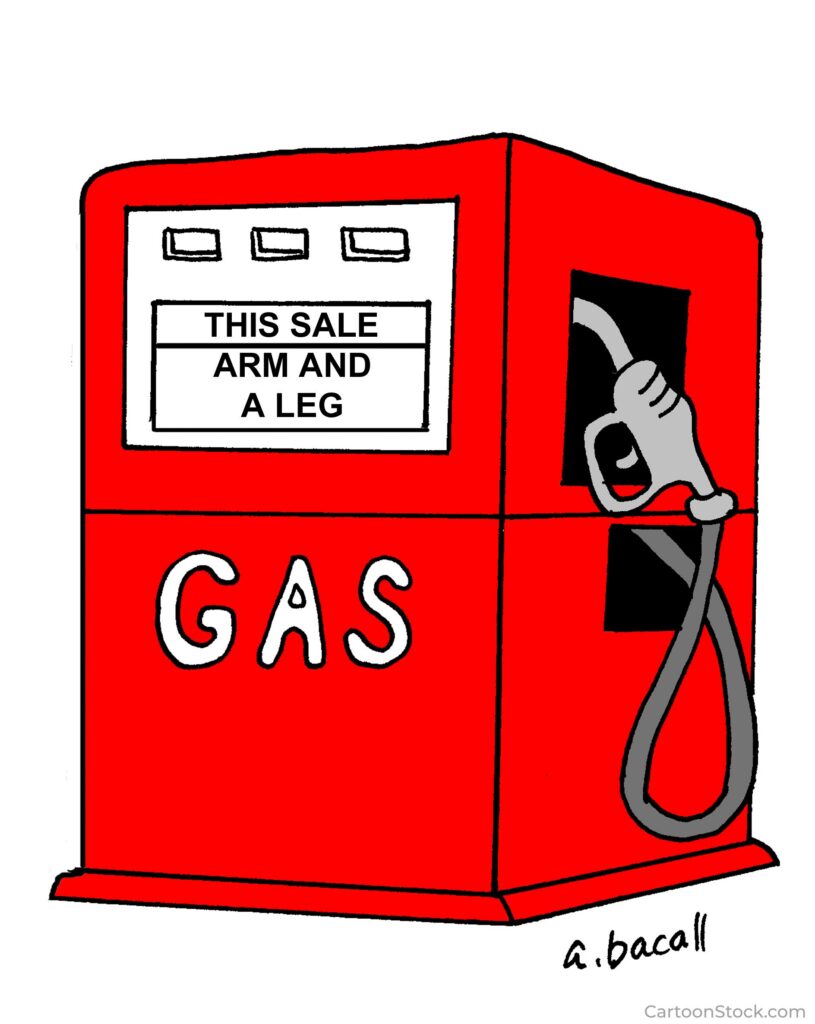
The Iran conflict’s most immediate economic consequence was the oil price shock. Brent crude, which had started the year near $60 per barrel, roughly doubled — hitting a 52-week high near $119.50 in mid-March before settling in the $100–$112 range by quarter-end. WTI crude briefly touched $111. US gasoline prices surged past $4.00 per gallon for the first time since summer 2022.
The International Energy Agency described the Strait of Hormuz disruption as the largest supply event in the history of the global oil market, projecting an eight-million-barrel-per-day plunge in global supply for March. IEA member nations responded with a coordinated release of more than four hundred million barrels of emergency strategic reserves, the largest such action ever undertaken. OPEC+ agreed to a modest production increase beginning in April, but this was largely academic given the scale of the physical supply disruption.
The energy shock reignited a debate that many investors had hoped was behind us: stagflation. Headline CPI fell to 2.4% in January and February – the lowest readings since May 2025 – but these numbers were collected before the conflict began and do not reflect the oil price surge. Core PCE, the Fed’s preferred inflation gauge, rose to 3.1% year-over-year in January, stubbornly above the Fed’s 2% target. Food prices were already running at 3.1% annually, driven by beef shortages, surging coffee prices, and residual tariff effects.
Looking ahead, multiple analysts have estimated that sustained oil prices near $100 per barrel could push headline CPI back toward 3.5% by year-end. However, we suspect that much of the commodity-driven inflation will prove more transitory than persistent, particularly if diplomatic efforts gain traction and strategic reserves continue to bridge the supply gap. Markets tend to look six to twelve months forward, and our base case is that energy prices moderate in the back half of 2026 as supply adjustments take hold. As the old saying goes, when it comes to commodity prices, the “cure for high prices is high prices.” This is because higher energy prices create incentives for increased domestic production, alternative energy investment, and efficiency gains – all of which tend to bring prices down over time.
Meanwhile, the labor market remained remarkably stable. The unemployment rate hovered between 4.3% and 4.4% throughout the quarter, and the March jobs report surprised to the upside with 178,000 new positions — nearly triple expectations. Wage growth decelerated to 3.5% year-over-year, easing wage-price spiral concerns while also reflecting softer labor demand. In short, the jobs market is cooling but not cracking — an outcome that gives the Fed room to remain patient.
The AI Accountability Phase
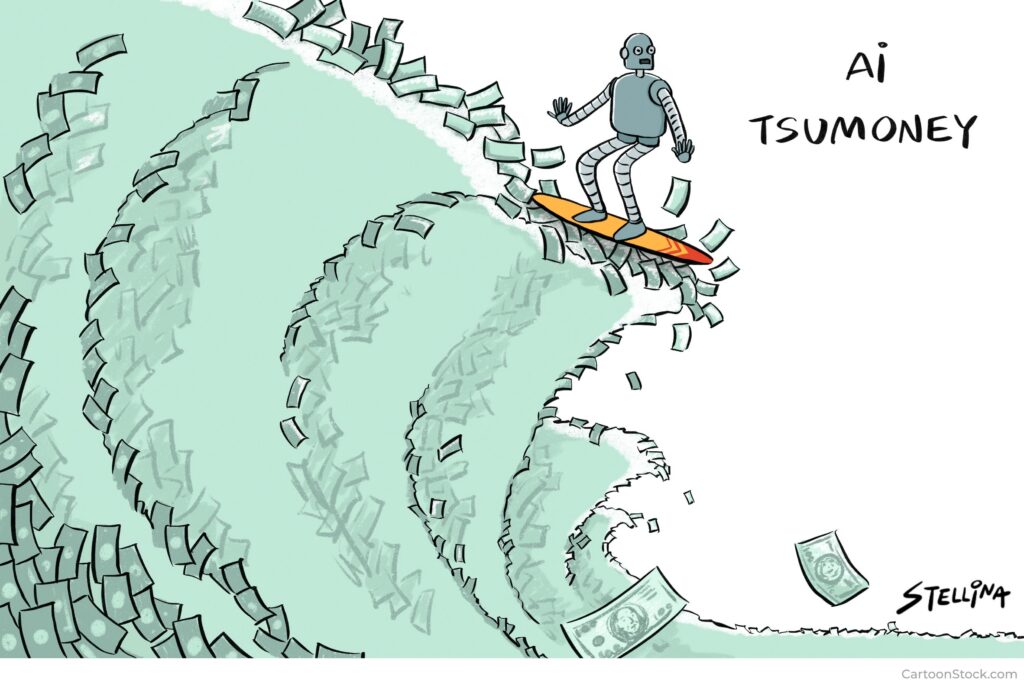
The artificial intelligence investment cycle entered a “show me the money” phase in Q1 2026. The staggering capital commitments from the major hyperscalers – Amazon ($200 billion), Alphabet ($175–185 billion), Microsoft ($145 billion), and Meta ($115–135 billion) – brought combined 2026 capex plans to an eye-popping $635–$665 billion, up roughly 70% from 2025. To put that in perspective, this amount exceeds the annual GDP of most countries and represents the largest concentration of private investment in a single technology in modern economic history.
Nvidia’s GTC 2026 conference in March reinforced that the physical AI buildout is accelerating. CEO Jensen Huang unveiled the Vera Rubin platform with seven new chips in full production and raised the company’s cumulative revenue projection to $1 trillion through 2027. Nvidia’s quarterly results were characteristically strong, with reported revenue of $68.13 billion, up 73% year-over-year.
Yet despite these impressive figures, investor sentiment toward AI-adjacent stocks soured considerably during the quarter. The SaaS (Software-as-a-Service) sector plunged 23% from January through late February as markets priced in the possibility that AI could disrupt traditional software business models more quickly than expected. Microsoft (MSFT), long considered a blue-chip AI play, fell roughly 22% as its capital expenditures consumed a larger share of revenue and free cash flow growth flattened. Amazon (AMZN) was projected to post negative free cash flow for the full year. Meta’s (META) free cash flow was expected to decline by approximately 90%.
In our view, this represents a healthy and necessary recalibration. We remain confident that generative AI will have enormous long-term impacts on the economy. However, as we have noted in previous commentaries, history shows that transformative technologies tend to produce periods of overinvestment and eventual correction. The question for investors is not whether AI is real (by now it should be clear to almost everyone that it is very real indeed), but rather which companies will earn adequate returns on their massive investments, and over what timeframe. As the initial euphoria phase gives way to the accountability phase, we believe selectivity will become increasingly important.
One concerning development worth monitoring: AI-driven workforce reductions accelerated in Q1. Oracle terminated 20,000–30,000 employees on the last day of the quarter, with executives citing AI tool replacement. Block (formerly Square) cut 4,000 roles – roughly 40% of its workforce – with CEO Jack Dorsey explicitly attributing the reductions to AI automation. Amazon eliminated 16,000 positions in January. In total, more than 85,000 tech workers were affected in Q1 alone. The longer-term implications of AI-driven labor displacement represent both a risk and an opportunity for the economy and for investors, a theme we expect to revisit frequently in coming quarters.
A Reckoning for Private Credit
One of the more consequential stories of Q1 was the emergence of stress signals in the private credit market. Private credit has been one of the fastest-growing asset classes of the past decade, with assets ballooning from approximately $500 billion in 2018 to well over $2 trillion today. The pitch to investors has been compelling: higher yields than public bonds, lower volatility, and a cushion of seniority in the capital structure.
In Q1, some of those assumptions were tested. The trouble began in late 2025 with fraud revelations at two private credit borrowers (First Brands Group and Tricolor Holdings) that sent ripples across the sector. By early 2026, contagion spread to several of the largest private credit funds. Ares Management capped redemptions at 5% after requests surged to nearly 12% of assets under management. Apollo and Blue Owl blocked full withdrawals. Blackstone’s flagship BCRED fund posted its first monthly loss in three years.
Morgan Stanley warned in a widely circulated research note that private credit default rates could surge to 8%, far above the 2–2.5% historical average. This would represent a significant departure from the “zero-loss fantasy” – as one analyst memorably described it – that had characterized much of the sector’s marketing narrative.
To be clear, we do not believe this represents a systemic crisis on the order of 2008. Most of the stress appears concentrated in specific funds with idiosyncratic exposure to fraudulent or poorly underwritten borrowers. However, the episode serves as a useful reminder that higher yields always come with higher risks, and that illiquidity – often marketed as a feature in private credit (“it smooths out volatility!”) – can quickly become a bug when investors want their money back. In our experience, episodes like these tend to be clarifying because they sort out well-managed funds from those that cut corners. They also hammer home the never-ending lesson of markets and investing, that is: when something appears to be too good to be true, it almost always is. We are watching this space closely.
Market Outlook
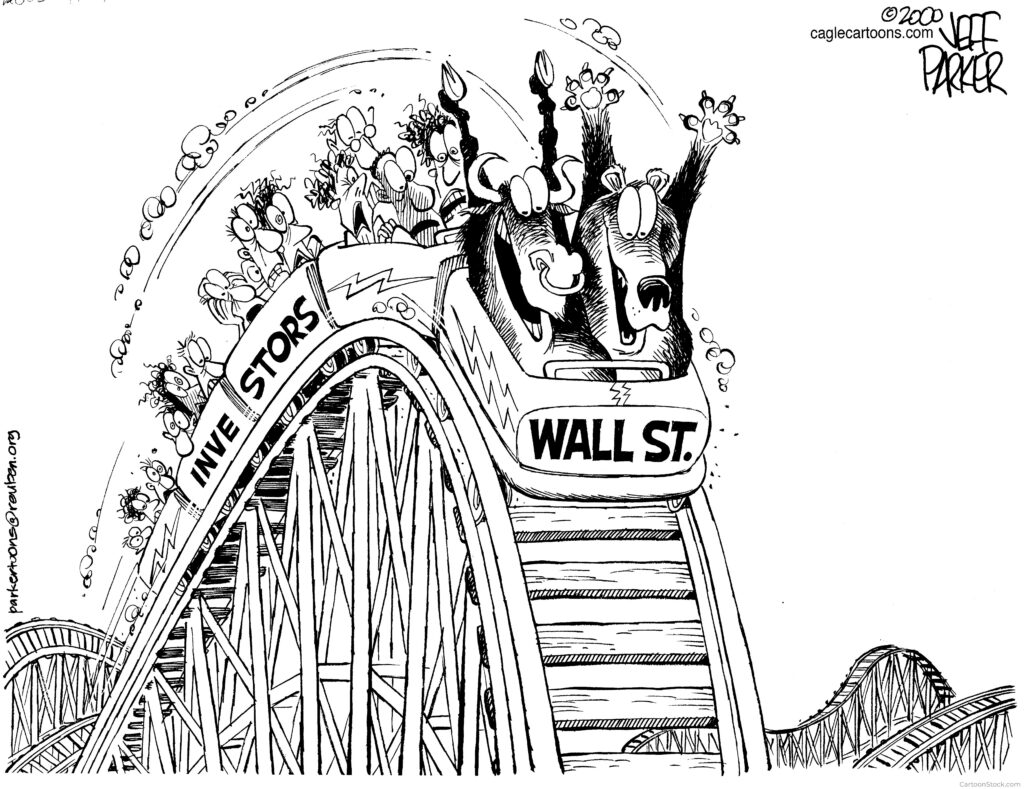
Despite the recent turbulence, we remain cautiously optimistic on the markets. Several factors underpin our constructive view. First, valuations have reset to more reasonable levels. The forward price-to-earnings ratio on the S&P 500 compressed from 22.0x at year-end 2025 to approximately 19.8x by the end of March, dipping below the five-year average for the first time in over two years. While “cheaper” is different from “cheap,” the Q1 correction has created a more favorable entry point for long-term investors, particularly in areas of the market that were previously overlooked.
Second, the underlying economy appears resilient. Despite the oil shock, the labor market remains solid, and corporate earnings growth has been strong. S&P 500 earnings grew 14.2% year-over-year in Q4 2025, the fifth consecutive quarter of double-digit growth. Consumer spending, while cautious, has not fallen off a cliff. The March jobs report’s upside surprise was a reassuring data point.
Third, we believe that much of the recent commodity-driven inflation is more likely to prove transitory than persistent. Markets are forward-looking by nature, and as we progress through the back half of 2026, we expect energy prices to moderate as diplomatic efforts advance, strategic reserves bridge the supply gap, and production adjustments take hold. The Fed’s decision to hold rates steady while it assesses the situation strikes us as prudent.
Fourth, the AI revolution should continue to gain steam, and it remains a source of both risk and opportunity for investors. The quarter’s selloff in AI-related stocks was painful for many portfolios, but it also demonstrated that markets are beginning to differentiate between companies that can monetize AI investments and those that are simply spending. We believe this is a healthy development that rewards the kind of disciplined, active management that we practice at JAG.
Here are some of the key factors we will be watching in the weeks and months ahead:
- Iran Resolution and Energy Markets: Any diplomatic progress — or escalation — will have an outsized impact on oil prices, inflation expectations, and Fed policy. We suspect that the current elevated price environment is not sustainable and that some form of resolution or accommodation will emerge, but the timing is highly uncertain.
- Federal Reserve Policy Path: The Fed is in a difficult position — above-target inflation argues against rate cuts, while a potentially slowing economy argues for them. We expect the Fed to remain on hold through at least the summer, with the possibility of one cut in the fourth quarter if inflation cooperates. A rate hike, while not our base case, cannot be entirely ruled out if the oil shock proves persistent.
- Q1 2026 Earnings Season: Corporate earnings have been a bright spot, but forward guidance will be critical. Companies’ ability to absorb higher energy costs and ongoing tariff headwinds without sacrificing margins will tell us a great deal about the durability of the current expansion.
- Private Credit Developments: We will be looking closely for any further signs of stress in the private credit sector. While we view the current situation as manageable, the sector’s rapid growth and limited transparency warrant continued vigilance.
As always, we invest alongside our clients with a long-term mindset. We have helped our clients navigate a variety of corrections, crises, and bear markets over the past several decades, and while these periods are never enjoyable, our long experience has equipped us to deal with them prudently and effectively. We appreciate the trust you place in JAG, and we wish you and yours a happy and healthy spring.
Warmest regards,
Norm Conley
CEO, Chief Investment Officer & Portfolio Manager
View Full Commentary as PDF
Disclosures
These comments were prepared by the staff of JAG Capital Management, LLC, an SEC-registered investment adviser. The information herein was obtained from various sources including but not limited to FactSet, Bloomberg, Reuters, Standard & Poor’s, Claude, ChatGPT, and the United States Bureau of Labor Statistics, and believed to be reliable; however, we do not guarantee its accuracy or completeness. The information in this report is given as of the date indicated. We assume no obligation to update this information, or to advise on further developments relating to markets, trends, or securities discussed in this report. Opinions expressed are those of the adviser listed above as of the date of this report and are subject to change without notice. Opinions of individual representatives may not be those of the Firm. Additional information is available upon request.
The information contained in this document is prepared and circulated for general information only. It does not address specific investment objectives, or the financial situation and the particular needs of any recipient. Investors should not attempt to make investment decisions solely based on the information contained in this communication as it does not offer enough information to make such decisions and may not be suitable for your personal financial circumstances. You should consult with your financial professional prior to making such decisions. For institutional investors: JAG Capital Management, LLC, has a reasonable basis to believe that you are capable of evaluating investment risks independently, both in general and with regard to particular transactions or strategies. For institutions who disagree with this statement, please contact us immediately.
Past performance should not be considered indicative of future performance. Any investment contains risk including the risk of total loss.
This document does not constitute an offer, or an invitation to make an offer, to buy or sell any securities discussed herein. J.A. Glynn & Co., JAG Capital Management, LLC, and its affiliates, directors, officers, employees, employee benefit programs, and discretionary client accounts may have a position in any securities listed herein.
Please let us know if your financial situation or investment objectives have changed, or whether you prefer to place any reasonable restrictions on the management of your account(s) or modify any existing restrictions.
A Veteran Owned Business (VOB) is a business owned, (51% ownership or greater) by a Veteran who has met the definition of a veteran. The following represents the criteria that the National Veteran Business Development Council (NVBDC) uses in determining ownership:
Ownership: Fifty-one percent ownership by a Veteran or Veterans. The applicant must share in all risk and profits commensurate with their ownership interest.
Control and Management: Proof of active management of the business. Veteran must possess the power to direct or cause to direct the management and policies of the business.
Contribution of Expertise and Capital: Contribution of capital and/or expertise by Veteran owner(s) to acquire their ownership interest shall be real and substantial and be in proportion of the interest acquired.
Independence: The Veteran owner(s) shall have the ability to perform in their area of specialty/expertise without substantial reliance on non-Veteran-owned businesses.
About JAG
JAG Capital Management (JAG) actively invests for institutions and individuals in highly selective, customizable, and nimble equity and fixed income strategies. JAG is a boutique, independent, employee-owned investment management firm in St. Louis.
1610 Des Peres Road, Suite 120
St. Louis, MO 63131

Quarterly Comments Q1 2026: Shock and Resilience
Norm Conley
Market Highlights
• Iran Conflict Shakes Markets: On February 28, the US and Israel launched coordinated strikes against Iran, closing the Strait of Hormuz and triggering the largest oil supply disruption in global history. Brent crude oil prices roughly doubled from ~$60 to ~$119/barrel.
• S&P 500 Posts Worst Quarter Since 2022: The S&P 500 declined 4.3% on a total return basis, after briefly touching an all-time high above 7,000 in January. The Nasdaq fell nearly 6% and entered correction territory.
• Stock Market Rotation: Against the backdrop of the conflict in Iran, growth stocks fell 12.8% while value stocks gained 2.4%. The Magnificent Seven collectively lost 10.5%, yet 62% of S&P 500 members outperformed the index. Energy stocks surged more than 30%.
• Fed Holds Steady: The Federal Reserve maintained the federal funds rate at 3.50–3.75% at both Q1 meetings, raised its 2026 inflation forecast, and rate-cut expectations collapsed from two cuts to near-zero.
• AI Spending Under Scrutiny: Hyperscaler capex plans reached $635–$665 billion for 2026, up ~70% from 2025. Investor sentiment shifted from euphoria to accountability, with the SaaS sector falling 23%.
Firm Highlights
JAG is pleased to welcome Linda Wolff to the team as Controller and Vice President. Linda leads financial reporting, internal controls, and operational finance at JAG, and she partners with executive leadership to align finance operations with our firm’s strategic growth plans. Prior to joining JAG, Linda served as Manager of Accounting and Financial Reporting at the Lutheran Church Extension Fund and brings extensive experience in financial services, public accounting, and entrepreneurial services. Linda is a Certified Public Accountant and a member of the AICPA and MOCPA. She received her B.S. in Business from Southeast Missouri State University. We are excited to have Linda on board and look forward to her contributions to Team JAG!
Market Overview
If the past several years has taught investors anything, it is that the unexpected often arrives with little warning and maximum impact. The first quarter of 2026 certainly reinforced that lesson. What began as a promising start to the year, with the S&P 500 reaching an all-time high above 7,000 in late January, quickly devolved into one of the more turbulent quarters in recent memory. A US-led military strike on Iran upended global energy markets, oil prices roughly doubled, and investors scrambled to reprice everything from inflation expectations to Federal Reserve policy.
Despite the turbulence, we believe there are reasons for measured optimism. The underlying economy remains resilient. Corporate earnings growth has been solid. And valuations, after years of being stretched, have reset to more reasonable levels. As Einstein wisely suggested, difficulty and opportunity are often two sides of the same coin.
The S&P 500 declined 4.3% for the quarter on a total return basis, its weakest performance since Q3 2022. The Nasdaq Composite fared worse, falling 7.1% (price only) and entering correction territory at more than 10% off its late-2025 highs. The Dow Jones Industrial Average dropped roughly 3.6%. Yet beneath these headline numbers, the stock market broadened. Six of eleven S&P 500 sectors posted positive returns, and 58% of individual stocks outperformed the index – marking a dramatic reversal from the narrow, mega-cap-driven rallies of 2023–2025. Energy stocks surged nearly 40% as oil prices spiked, and defensive sectors like utilities and consumer staples posted positive returns. Meanwhile, the much-discussed “Magnificent Seven” mega-cap technology stocks collectively fell 10.5%, with every single member posting a negative return for the quarter.
On the fixed income side, the Federal Reserve held the federal funds rate steady at 3.50–3.75% at both of its Q1 meetings. More significantly, the Fed raised its 2026 inflation forecast and rate-cut expectations evaporated almost entirely. Markets entered the year expecting two quarter-point cuts by the end of 2026, but by March they were pricing in zero to one. The 10-year Treasury yield climbed from approximately 4.16% to the 4.38–4.44% range by quarter-end, reflecting the market’s grudging acceptance that the last mile of inflation may prove stubbornly persistent, especially with oil prices elevated.
Operation Epic Fury
On February 28, the United States and Israel launched a coordinated military operation against Iran, conducting roughly nine hundred strikes against military, nuclear, and leadership targets. Supreme Leader Ali Khamenei was killed, along with multiple senior Islamic Revolutionary Guard Corps commanders. Iran retaliated with missile and drone strikes across the Middle East and effectively closed the Strait of Hormuz, the narrow waterway through which approximately 20% of the world’s oil transits daily.
For investors, the immediate impact was severe. The S&P 500, which had already begun pulling back from its January highs on valuation concerns, accelerated its decline as geopolitical risk premiums spiked across virtually every asset class. Safe-haven assets like Treasuries, gold, and the US dollar rallied sharply in the days following the strikes.
The conflict also reshuffled the global geopolitical landscape beyond the Middle East. In January, US forces captured Venezuelan President Nicolás Maduro in an overnight raid, and the administration moved to reorganize Venezuelan oil exports. Ukraine-Russia peace talks progressed slowly through the quarter, with a January summit in Paris producing security guarantee commitments from thirty-five countries, though Russia remained intransigent on territorial issues. In Europe, Germany’s newly elected chancellor engineered a historic amendment to that country’s constitutional debt brake, paving the way for a €500 billion infrastructure fund and boosting defense spending to over €108 billion, up 26% from 2025. The EU’s broader ReArm Europe plan proposed mobilizing up to €800 billion in defense funding.
In other words, the geopolitical backdrop of Q1 2026 was unlike anything investors have faced in decades. As we have told clients for years, geopolitical risk tends to be episodic and difficult to predict, which is precisely why maintaining a disciplined, diversified investment approach is so important.
Crude Awakening
The Iran conflict’s most immediate economic consequence was the oil price shock. Brent crude, which had started the year near $60 per barrel, roughly doubled — hitting a 52-week high near $119.50 in mid-March before settling in the $100–$112 range by quarter-end. WTI crude briefly touched $111. US gasoline prices surged past $4.00 per gallon for the first time since summer 2022.
The International Energy Agency described the Strait of Hormuz disruption as the largest supply event in the history of the global oil market, projecting an eight-million-barrel-per-day plunge in global supply for March. IEA member nations responded with a coordinated release of more than four hundred million barrels of emergency strategic reserves, the largest such action ever undertaken. OPEC+ agreed to a modest production increase beginning in April, but this was largely academic given the scale of the physical supply disruption.
The energy shock reignited a debate that many investors had hoped was behind us: stagflation. Headline CPI fell to 2.4% in January and February – the lowest readings since May 2025 – but these numbers were collected before the conflict began and do not reflect the oil price surge. Core PCE, the Fed’s preferred inflation gauge, rose to 3.1% year-over-year in January, stubbornly above the Fed’s 2% target. Food prices were already running at 3.1% annually, driven by beef shortages, surging coffee prices, and residual tariff effects.
Looking ahead, multiple analysts have estimated that sustained oil prices near $100 per barrel could push headline CPI back toward 3.5% by year-end. However, we suspect that much of the commodity-driven inflation will prove more transitory than persistent, particularly if diplomatic efforts gain traction and strategic reserves continue to bridge the supply gap. Markets tend to look six to twelve months forward, and our base case is that energy prices moderate in the back half of 2026 as supply adjustments take hold. As the old saying goes, when it comes to commodity prices, the “cure for high prices is high prices.” This is because higher energy prices create incentives for increased domestic production, alternative energy investment, and efficiency gains – all of which tend to bring prices down over time.
Meanwhile, the labor market remained remarkably stable. The unemployment rate hovered between 4.3% and 4.4% throughout the quarter, and the March jobs report surprised to the upside with 178,000 new positions — nearly triple expectations. Wage growth decelerated to 3.5% year-over-year, easing wage-price spiral concerns while also reflecting softer labor demand. In short, the jobs market is cooling but not cracking — an outcome that gives the Fed room to remain patient.
The AI Accountability Phase
The artificial intelligence investment cycle entered a “show me the money” phase in Q1 2026. The staggering capital commitments from the major hyperscalers – Amazon ($200 billion), Alphabet ($175–185 billion), Microsoft ($145 billion), and Meta ($115–135 billion) – brought combined 2026 capex plans to an eye-popping $635–$665 billion, up roughly 70% from 2025. To put that in perspective, this amount exceeds the annual GDP of most countries and represents the largest concentration of private investment in a single technology in modern economic history.
Nvidia’s GTC 2026 conference in March reinforced that the physical AI buildout is accelerating. CEO Jensen Huang unveiled the Vera Rubin platform with seven new chips in full production and raised the company’s cumulative revenue projection to $1 trillion through 2027. Nvidia’s quarterly results were characteristically strong, with reported revenue of $68.13 billion, up 73% year-over-year.
Yet despite these impressive figures, investor sentiment toward AI-adjacent stocks soured considerably during the quarter. The SaaS (Software-as-a-Service) sector plunged 23% from January through late February as markets priced in the possibility that AI could disrupt traditional software business models more quickly than expected. Microsoft (MSFT), long considered a blue-chip AI play, fell roughly 22% as its capital expenditures consumed a larger share of revenue and free cash flow growth flattened. Amazon (AMZN) was projected to post negative free cash flow for the full year. Meta’s (META) free cash flow was expected to decline by approximately 90%.
In our view, this represents a healthy and necessary recalibration. We remain confident that generative AI will have enormous long-term impacts on the economy. However, as we have noted in previous commentaries, history shows that transformative technologies tend to produce periods of overinvestment and eventual correction. The question for investors is not whether AI is real (by now it should be clear to almost everyone that it is very real indeed), but rather which companies will earn adequate returns on their massive investments, and over what timeframe. As the initial euphoria phase gives way to the accountability phase, we believe selectivity will become increasingly important.
One concerning development worth monitoring: AI-driven workforce reductions accelerated in Q1. Oracle terminated 20,000–30,000 employees on the last day of the quarter, with executives citing AI tool replacement. Block (formerly Square) cut 4,000 roles – roughly 40% of its workforce – with CEO Jack Dorsey explicitly attributing the reductions to AI automation. Amazon eliminated 16,000 positions in January. In total, more than 85,000 tech workers were affected in Q1 alone. The longer-term implications of AI-driven labor displacement represent both a risk and an opportunity for the economy and for investors, a theme we expect to revisit frequently in coming quarters.
A Reckoning for Private Credit
One of the more consequential stories of Q1 was the emergence of stress signals in the private credit market. Private credit has been one of the fastest-growing asset classes of the past decade, with assets ballooning from approximately $500 billion in 2018 to well over $2 trillion today. The pitch to investors has been compelling: higher yields than public bonds, lower volatility, and a cushion of seniority in the capital structure.
In Q1, some of those assumptions were tested. The trouble began in late 2025 with fraud revelations at two private credit borrowers (First Brands Group and Tricolor Holdings) that sent ripples across the sector. By early 2026, contagion spread to several of the largest private credit funds. Ares Management capped redemptions at 5% after requests surged to nearly 12% of assets under management. Apollo and Blue Owl blocked full withdrawals. Blackstone’s flagship BCRED fund posted its first monthly loss in three years.
Morgan Stanley warned in a widely circulated research note that private credit default rates could surge to 8%, far above the 2–2.5% historical average. This would represent a significant departure from the “zero-loss fantasy” – as one analyst memorably described it – that had characterized much of the sector’s marketing narrative.
To be clear, we do not believe this represents a systemic crisis on the order of 2008. Most of the stress appears concentrated in specific funds with idiosyncratic exposure to fraudulent or poorly underwritten borrowers. However, the episode serves as a useful reminder that higher yields always come with higher risks, and that illiquidity – often marketed as a feature in private credit (“it smooths out volatility!”) – can quickly become a bug when investors want their money back. In our experience, episodes like these tend to be clarifying because they sort out well-managed funds from those that cut corners. They also hammer home the never-ending lesson of markets and investing, that is: when something appears to be too good to be true, it almost always is. We are watching this space closely.
Market Outlook
Despite the recent turbulence, we remain cautiously optimistic on the markets. Several factors underpin our constructive view. First, valuations have reset to more reasonable levels. The forward price-to-earnings ratio on the S&P 500 compressed from 22.0x at year-end 2025 to approximately 19.8x by the end of March, dipping below the five-year average for the first time in over two years. While “cheaper” is different from “cheap,” the Q1 correction has created a more favorable entry point for long-term investors, particularly in areas of the market that were previously overlooked.
Second, the underlying economy appears resilient. Despite the oil shock, the labor market remains solid, and corporate earnings growth has been strong. S&P 500 earnings grew 14.2% year-over-year in Q4 2025, the fifth consecutive quarter of double-digit growth. Consumer spending, while cautious, has not fallen off a cliff. The March jobs report’s upside surprise was a reassuring data point.
Third, we believe that much of the recent commodity-driven inflation is more likely to prove transitory than persistent. Markets are forward-looking by nature, and as we progress through the back half of 2026, we expect energy prices to moderate as diplomatic efforts advance, strategic reserves bridge the supply gap, and production adjustments take hold. The Fed’s decision to hold rates steady while it assesses the situation strikes us as prudent.
Fourth, the AI revolution should continue to gain steam, and it remains a source of both risk and opportunity for investors. The quarter’s selloff in AI-related stocks was painful for many portfolios, but it also demonstrated that markets are beginning to differentiate between companies that can monetize AI investments and those that are simply spending. We believe this is a healthy development that rewards the kind of disciplined, active management that we practice at JAG.
Here are some of the key factors we will be watching in the weeks and months ahead:
As always, we invest alongside our clients with a long-term mindset. We have helped our clients navigate a variety of corrections, crises, and bear markets over the past several decades, and while these periods are never enjoyable, our long experience has equipped us to deal with them prudently and effectively. We appreciate the trust you place in JAG, and we wish you and yours a happy and healthy spring.
Warmest regards,
Norm Conley
CEO, Chief Investment Officer & Portfolio Manager
View Full Commentary as PDF
Disclosures
These comments were prepared by the staff of JAG Capital Management, LLC, an SEC-registered investment adviser. The information herein was obtained from various sources including but not limited to FactSet, Bloomberg, Reuters, Standard & Poor’s, Claude, ChatGPT, and the United States Bureau of Labor Statistics, and believed to be reliable; however, we do not guarantee its accuracy or completeness. The information in this report is given as of the date indicated. We assume no obligation to update this information, or to advise on further developments relating to markets, trends, or securities discussed in this report. Opinions expressed are those of the adviser listed above as of the date of this report and are subject to change without notice. Opinions of individual representatives may not be those of the Firm. Additional information is available upon request.
The information contained in this document is prepared and circulated for general information only. It does not address specific investment objectives, or the financial situation and the particular needs of any recipient. Investors should not attempt to make investment decisions solely based on the information contained in this communication as it does not offer enough information to make such decisions and may not be suitable for your personal financial circumstances. You should consult with your financial professional prior to making such decisions. For institutional investors: JAG Capital Management, LLC, has a reasonable basis to believe that you are capable of evaluating investment risks independently, both in general and with regard to particular transactions or strategies. For institutions who disagree with this statement, please contact us immediately.
Past performance should not be considered indicative of future performance. Any investment contains risk including the risk of total loss.
This document does not constitute an offer, or an invitation to make an offer, to buy or sell any securities discussed herein. J.A. Glynn & Co., JAG Capital Management, LLC, and its affiliates, directors, officers, employees, employee benefit programs, and discretionary client accounts may have a position in any securities listed herein.
Please let us know if your financial situation or investment objectives have changed, or whether you prefer to place any reasonable restrictions on the management of your account(s) or modify any existing restrictions.
A Veteran Owned Business (VOB) is a business owned, (51% ownership or greater) by a Veteran who has met the definition of a veteran. The following represents the criteria that the National Veteran Business Development Council (NVBDC) uses in determining ownership:
Ownership: Fifty-one percent ownership by a Veteran or Veterans. The applicant must share in all risk and profits commensurate with their ownership interest.
Control and Management: Proof of active management of the business. Veteran must possess the power to direct or cause to direct the management and policies of the business.
Contribution of Expertise and Capital: Contribution of capital and/or expertise by Veteran owner(s) to acquire their ownership interest shall be real and substantial and be in proportion of the interest acquired.
Independence: The Veteran owner(s) shall have the ability to perform in their area of specialty/expertise without substantial reliance on non-Veteran-owned businesses.
About JAG
JAG Capital Management (JAG) actively invests for institutions and individuals in highly selective, customizable, and nimble equity and fixed income strategies. JAG is a boutique, independent, employee-owned investment management firm in St. Louis.
1610 Des Peres Road, Suite 120
St. Louis, MO 63131